





Moisture Testing · New-Construction Defects
Stucco Remediation In Philadelphia
Stucco doesn’t fail on the surface — it fails behind it. We find where the water is getting in, fix the cause, replace what’s rotted, and rebuild the wall so it stays sealed.
Thermal Moisture Testing
New-Construction Defects
In-House Crews
Free Estimates
Get A Free Stucco Inspection
Cracks, stains, soft spots? Find out what’s behind them.
Free, no-obligation, itemized. We’ll tell you straight what it needs.
Hidden Until It’s Expensive
Stucco Doesn’t Fail
On the Surface
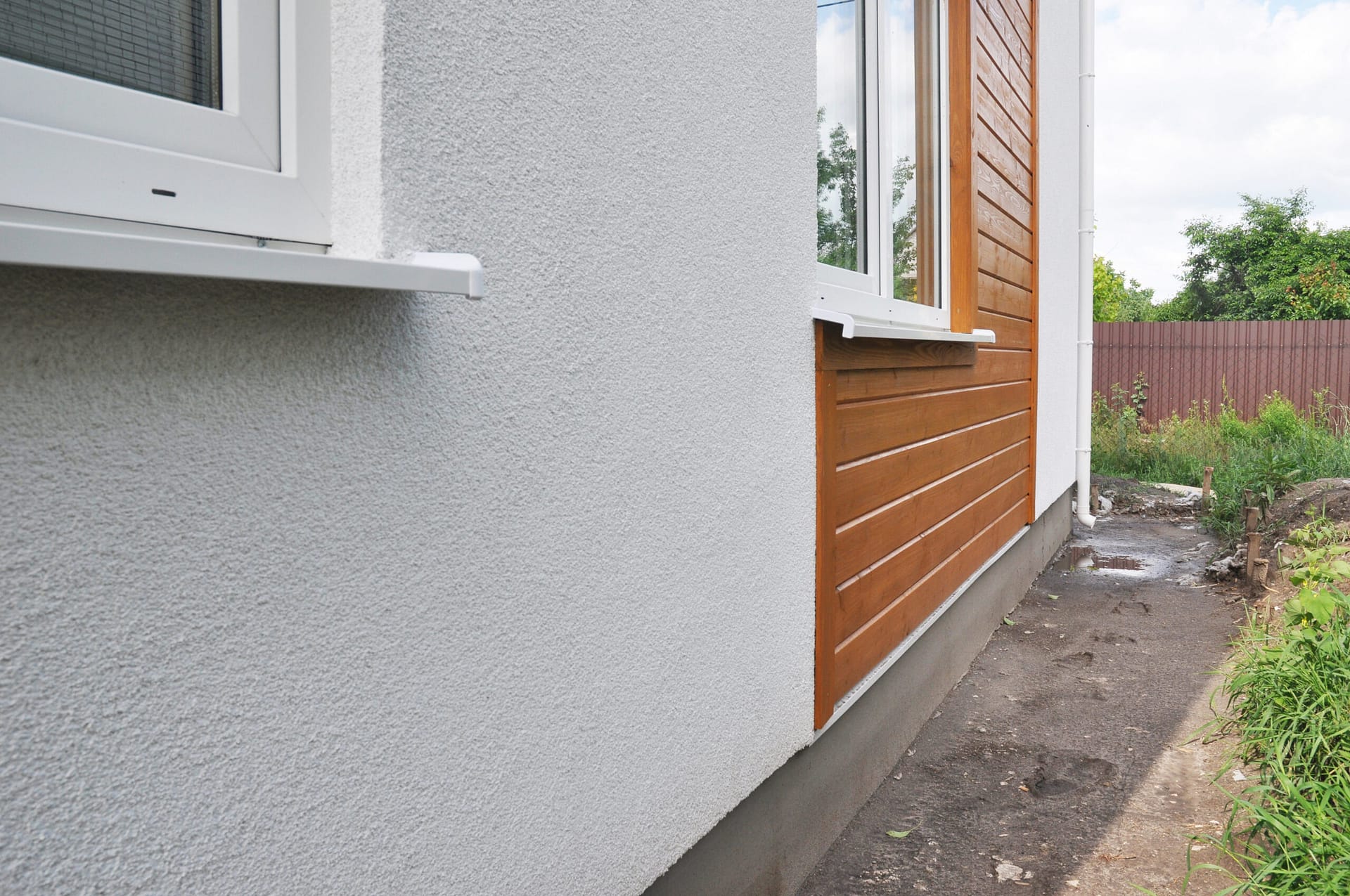
Stucco doesn’t usually fail on the surface. It fails behind it. By the time you see cracks, staining, or soft spots, water has often been getting in for months, sometimes years, soaking the sheathing and framing you can’t see. That’s the problem with stucco: the damage is hidden until it’s expensive.
Garrison Roofing does true stucco remediation across Philadelphia and the surrounding areas. Not a cosmetic patch. We find where the water is getting in, fix the cause, dry out and replace what’s rotted, and rebuild the wall so it stays sealed. If it were our own house, that’s the only way we’d want it done.
A Real Difference
Repair vs. Remediation
People use “stucco repair” and “stucco remediation” like they mean the same thing. They don’t — and the difference is what costs homeowners the most.
Surface Only
Stucco Repair
Someone fills a crack, matches the texture, and moves on. If the only problem really was that crack, fine. But if water has already gotten behind the stucco, a surface patch just seals the moisture in and hides the rot until it spreads.
Fixes The Cause
Stucco Remediation
We pull back the affected stucco, inspect the moisture barrier and sheathing underneath, correct the flashing and details that let water in, replace any wood that’s gone soft, and rebuild the system correctly from the substrate out. You fix it once instead of paying for the same wall twice.
If your stucco is cracking, staining, bubbling, or feels soft when you press on it — that’s not a cosmetic issue. That’s a signal to look underneath.
Bad Details, Not Bad Stucco
Why Stucco
Lets Water In
Stucco itself isn’t the enemy. Most of the moisture problems we find trace back to a handful of causes.
01
Failed Or Missing Flashing
Where the wall meets windows, doors, roofs, and decks — the number-one entry point we see.
02
Compromised Moisture Barrier
Installed wrong, cut through, or never lapped correctly behind the stucco.
03
Cracks
From settling, thermal movement, or impact — opening a path straight to the sheathing.
04
EIFS With No Drainage
Older barrier-style synthetic stucco traps any water that gets in with nowhere for it to escape.
05
New-Construction Defects
Where the stucco, flashing, and moisture barrier were rushed or installed out of sequence.
Our Specialty
Baked In From Day One
New-Construction
Stucco Defects
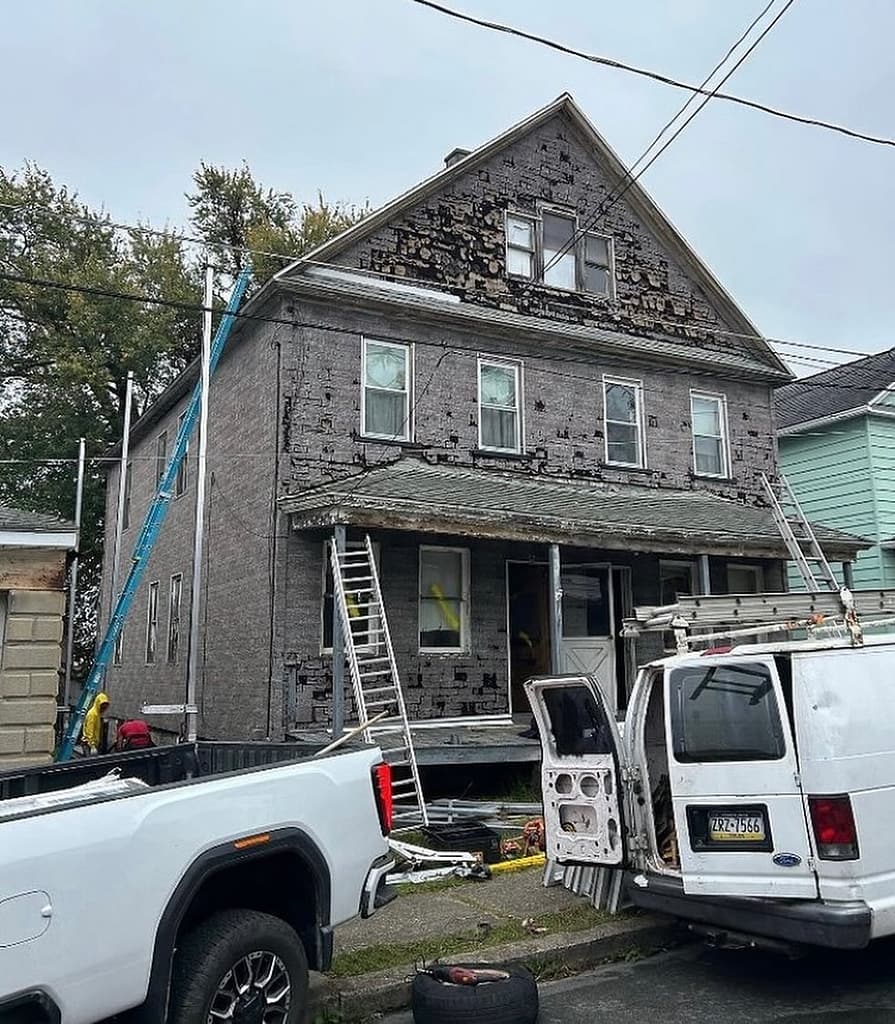
Here’s something most exterior contractors won’t tell you: a lot of stucco problems start on day one, on brand-new homes. When stucco, flashing, and the moisture barrier get installed too fast or in the wrong order, water intrusion is baked in from the start.
The house looks perfect at closing. Three, five, seven years later, the cracks and stains show up — and by then the framing behind the wall is already compromised.
This is our niche, and one almost no competitor is set up to handle. Because we do both stucco and roofing in-house, we understand how water actually moves through a building envelope — where the stucco, the roofline, and the flashing all have to work together.
Moisture Testing
Before We Quote A Dollar
How We Diagnose
The Damage First
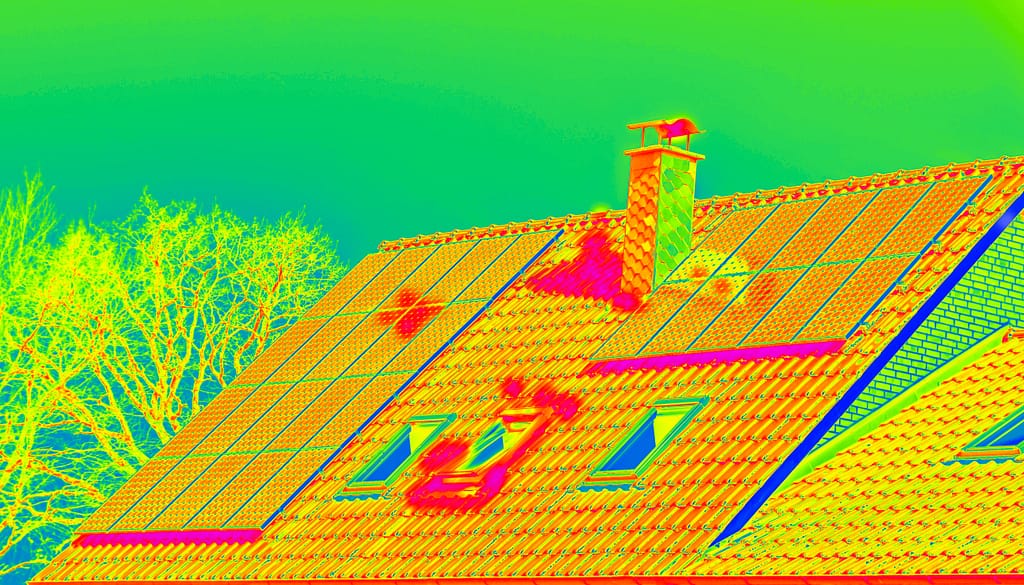
You can’t remediate what you can’t see, and you shouldn’t tear open a whole wall to go looking. So we start with a proper stucco moisture inspection.
We check the areas water attacks first — the windows, doors, rooflines, penetrations, and any spot showing cracks or staining. Where it helps, we use thermal imaging to read temperature differences across the wall and reveal moisture sitting behind the surface. Where we need a direct reading, we use moisture meters and probe testing at the sheathing.
The goal is simple: know exactly how far the damage goes before we quote a dollar of work, so you get an honest scope instead of a demo crew guessing as they go.
Why Homeowners Call Us
Why Garrison
For Stucco
In-house crews, no subcontractors — the people who diagnose your stucco are the people who fix it
Roofing and stucco under one roof — we understand how water moves through the whole building envelope
New-construction defect expertise — a specialty most exterior contractors don’t offer
Moisture testing before we quote — thermal imaging and probe readings, so the scope reflects the real damage
Historic and older Philadelphia homes — 20+ years on the region’s housing stock, including hardcoat stucco
Honest, no-obligation assessments — free, itemized estimates on every project
It Rarely Stays In The Stucco
Stucco Damage
Crosses Systems
Water behind a wall doesn’t respect boundaries. The same intrusion that rots stucco sheathing often shows up at the roofline and around masonry too. If we find the problem crossing systems, we’ll tell you — and we can handle it.
02
Masonry Repair
Brick, chimney, and rowhome masonry that ties into the same water problems. See masonry →

Straight Answers
Frequently Asked Questions
What is stucco remediation, and how is it different from a repair?
A repair patches the surface, filling cracks and matching texture. Remediation fixes the cause. We remove the affected stucco, inspect and correct the moisture barrier and flashing underneath, replace any rotted sheathing or framing, and rebuild the wall so water stays out. If moisture has already gotten behind the stucco, a surface repair just traps it.
What causes moisture damage behind stucco?
Almost always a detail that lets water in and nowhere for it to escape: failed flashing around windows, doors, and rooflines; a moisture barrier that was installed incorrectly; cracks that open a path to the sheathing; or older synthetic stucco (EIFS) with no drainage. Once water gets behind the wall, it sits against the wood and turns into mold and rot.
Are new-construction homes prone to stucco defects?
Yes, more than most homeowners realize. When stucco, flashing, and the moisture barrier are installed too quickly or out of sequence, water intrusion gets built in from the start. The home looks flawless at closing, but the damage surfaces years later once the framing behind the wall is already compromised. Diagnosing and remediating new-construction stucco defects is one of Garrison’s specialties.
How do you know if stucco has hidden water damage?
You look for it the right way. We inspect the areas water attacks first, then use thermal imaging to reveal moisture behind the surface and moisture meters or probe testing to confirm how deep it goes. Warning signs you can see from outside include cracks, staining, bubbling or blistering, soft spots when you press on the wall, and damp or musty smells inside near exterior walls.
Free & No-Obligation
Get a Straight Answer
On Your Stucco
If your stucco is cracking, staining, or you just want to know what’s happening behind it before it gets worse — get a free inspection from a contractor who’ll tell you the truth.